EVPulse
HomeArticlesToolsStandardsGlossaryAbout
Subscribe
HomeArticlesToolsStandardsGlossaryAbout
Subscribe to Newsletter
EVPulse

Battery technology and EV engineering coverage.

Categories

Cell ChemistryBMS DesignThermalCharging

Resources

SearchAll BlogsGlossaryCalculatorsAboutContact

Site

Archive

© 2026 EVPulse. All rights reserved.

About
Articles

All Published Articles

A complete archive of EV battery research notes, benchmarks, and explainers.

Browse By Categories

52 articles

Featured
Cell Chemistry

Sodium-Ion Battery Manufacturing — Aluminium Collectors, NaPF₆ Electrolyte, India's Soda Ash Advantage, and the 2030 Cost Model

Sodium-ion battery manufacturing differs from lithium-ion in three specific ways: the anode current collector is aluminium (not copper), the electrolyte salt is NaPF₆ (not LiPF₆), and the anode material is hard carbon (not graphite). These differences ripple through the manufacturing process, the supply chain, and the cost model in ways that are particularly favourable for India — which has domestic aluminium production, soda ash deposits, and agricultural biomass for hard carbon. Understanding the full manufacturing bill of materials, the Reliance-Faradion pathway to Indian production, and the 2030 cost projection for Na-ion versus LFP explains what is actually at stake in India's sodium-ion bet.

17 Jun 2026·16 min read
Cell Chemistry

Sodium-Ion Cathode Materials — O3/P2 Layered Oxides, Prussian Blue Analogues, and NASICON Frameworks

Sodium-ion batteries have no single dominant cathode chemistry — unlike lithium-ion where NMC and LFP have converged as the two primary commercial choices. Three cathode families compete in Na-ion: layered transition metal oxides (high energy density, phase instability), Prussian Blue Analogues (cheap synthesis, moisture sensitivity), and NASICON-type frameworks (ultra-stable, lower energy density). Understanding the crystal structures, sodium storage mechanisms, and failure modes of each — and why the anode's hard carbon microstructure is the other half of the Na-ion cell performance equation — explains why CATL chose O3-type layered oxide for their first generation and why the choice may change in the second.
17 Jun 2026·15 min read
Cell Chemistry

Sodium-Ion vs LFP — Energy Density, Cycle Life, Cost, and the Indian 2W/3W Fit

LFP (lithium iron phosphate) is the safety-first, low-cost choice that already dominates Indian EVs. Sodium-ion is trying to undercut LFP's cost while accepting an energy density penalty. Whether Na-ion beats LFP for any Indian application depends on which specification matters more: energy per kilogram (where LFP wins), energy per rupee (where Na-ion may win), low-temperature performance (where Na-ion wins), or cycle life (where they are roughly comparable). Understanding these trade-offs precisely — at cell level, pack level, and vehicle level — determines when and where sodium-ion makes commercial sense.

17 Jun 2026·12 min read
Cell Chemistry

Sodium-Ion Batteries Explained — Why the World's Most Common Element Is Becoming a Battery Chemistry

Sodium is the sixth most abundant element in Earth's crust. It is in every ocean, every salt flat, and every kitchen. Lithium, by contrast, is concentrated in a handful of geopolitical flashpoints — Chile, Bolivia, Argentina, Australia. Sodium-ion batteries work on the same principle as lithium-ion: ions shuttle between electrodes during charge and discharge. But because sodium is 1,000× more abundant than lithium, it could permanently change the cost floor of EV batteries. BYD's Seagull city car, Reliance's acquisition of Faradion, and CATL's AB-battery concept are early signals of a technology that could define India's EV future.

17 Jun 2026·9 min read
Cell Chemistry

Battery Lifetime Modelling — Empirical Arrhenius, Semi-Empirical Coupled Models, and Indian Operating Profile Validation

Predicting how long an EV battery will last under a specific set of operating conditions requires a quantitative model linking temperature, SOC, C-rate, and cycle depth to capacity fade rate. Empirical Arrhenius-based models are the industry standard — fast to compute, well-validated against laboratory data, and used directly in BMS firmware for real-time state-of-health estimation. Physics-based models (Doyle-Fuller-Newman and derivatives) are more accurate across wider operating ranges but too computationally expensive for on-board use. Validating either model against Indian operating profiles — asymmetric heat stress, predominantly urban cycles, mixed charging infrastructure — requires data that is only now becoming available as India's EV fleet matures past its first major service milestone.

17 Jun 2026·18 min read
Cell Chemistry

SEI Growth, Lithium Inventory Loss, and Cathode Cracking — The Molecular Mechanisms of Battery Degradation

Battery capacity fade has three distinct molecular-level origins: lithium inventory loss (lithium consumed in SEI formation and ongoing growth, making it permanently unavailable for cycling), active material loss (cathode particles cracking and losing electrical contact with the electrode network), and impedance rise (all resistive contributions increasing, reducing power capability). Each mechanism has different temperature dependence, different C-rate dependence, and is detectable by different diagnostic methods. Understanding all three — and how they interact — is the foundation of accurate battery lifetime prediction.

17 Jun 2026·16 min read
Cell Chemistry

Calendar Aging vs Cycle Aging in EV Batteries — Arrhenius, Shallow Cycles, and India's Summer Storage Problem

Calendar aging follows the Arrhenius equation: every 10°C increase in temperature approximately doubles the rate. Cycle aging follows an empirical power law: capacity loss scales with cycle count raised to a fractional exponent, meaning early cycles do more relative damage than later ones. Understanding both relationships mathematically — and knowing that 50% SOC is the storage sweet spot because it minimises both anode lithium loss and cathode oxidative stress — changes how you think about overnight parking, trip preparation, and how long your Indian EV's battery will last.

17 Jun 2026·13 min read
Cell Chemistry

Why EV Batteries Wear Out — The Two Clocks Running Inside Every Pack

Your EV's battery is aging right now, even if it is parked and not being used. There are two separate aging processes running simultaneously — calendar aging (time-based, affected by temperature and state of charge) and cycle aging (use-based, affected by depth of discharge and charge rate). Understanding these two clocks, and which one you can control, is the difference between a battery that delivers 80% of its original range after 10 years and one that delivers 60%.

17 Jun 2026·10 min read
Pack & BMS Design

Battery Thermal Management Systems — Cooling Topologies, CFD Trade-offs, and India's Asymmetric Heat Problem

Every cell in an EV battery generates heat proportional to I²R during charge and discharge — and loses significant capacity at low temperatures. The battery thermal management system (BTMS) must maintain every cell in the pack within 15–40°C, with less than 5°C variation across the pack, under Indian ambient conditions ranging from 45°C summer heat in Rajasthan to sub-zero winters in Ladakh. The choice between air cooling, liquid cooling, refrigerant direct cooling, and immersion cooling — and the CFD-driven channel geometry design within each topology — determines whether a pack achieves its rated life or fails prematurely under India's thermal extremes.

17 Jun 2026·17 min read
Pack & BMS Design

Cell Balancing in EV Battery Packs — Passive Dissipation, Active Transfer, and Why It Matters at 100% SOC

Every battery pack contains cells that are slightly unequal — different capacity, different internal resistance, different self-discharge rate. Without balancing, the weakest cell reaches its voltage limit first during charging, and the pack must stop charging before the stronger cells are full. The BMS's balancing algorithm is what determines how completely the pack can be charged, how well it ages, and how accurately its state of charge can be tracked. Understanding passive versus active balancing — and why balancing is critical at 100% SOC specifically — explains what distinguishes a well-designed BMS from a cheap one.

17 Jun 2026·15 min read
Pack & BMS Design

Prismatic, Cylindrical, or Pouch — Why Cell Format Determines Pack Architecture

Tesla uses 21700 cylindrical cells in 4680 format. BYD uses long prismatic blade cells. CATL and LG supply large prismatic modules. Hyundai uses pouch cells in the Ioniq 5. These are not equivalent packaging choices — each cell format imposes a different set of constraints on thermal management, structural design, manufacturing process, and module assembly. The format choice made at the cell level cascades through every subsequent engineering decision in the pack.

17 Jun 2026·14 min read
Pack & BMS Design

Why Your EV's Battery Pack Is Not Just a Bigger Phone Battery

Your phone has one lithium-ion cell producing 3.7V. Your EV has hundreds of them, arranged in a precise series-parallel architecture, wrapped in thermal management, protected by a battery management system, and packaged into a structural component of the car. Understanding the cell-module-pack hierarchy, why cells must be connected in series for voltage and parallel for capacity, and what the BMS does to keep them all in agreement explains the engineering behind every EV's most expensive component.

17 Jun 2026·9 min read
Pack & BMS Design

SiC vs IGBT in EV Traction Inverters: Switching Losses, Gate Drive Design, and Why 800V Systems Need Silicon Carbide

The traction inverter is the highest-stress power electronics component in an EV — switching 300–800V at hundreds of amperes, tens of thousands of times per second, while managing the thermal load of a device the size of a shoebox. Whether it uses silicon IGBTs or silicon carbide MOSFETs determines efficiency, switching frequency, thermal size, and cost. Understanding why SiC dominates new 800V designs — and why IGBT still wins on cost for 400V systems — requires going into the semiconductor physics.

17 Jun 2026·16 min read
Pack & BMS Design

Regenerative Braking: The Physics, the BMS Coordination, and Why Indian Traffic Is an EV Advantage

Regenerative braking is not magic — it is a generator, a controlled current flow, and a multi-system coordination problem between the motor controller, BMS, and hydraulic brakes. Understanding how much energy it actually recovers, why the recovery rate is not constant, and why India's dense stop-start urban traffic is one of the few operating environments where EVs genuinely outperform their rated range changes how you drive and how you evaluate EV efficiency claims.

17 Jun 2026·14 min read
Pack & BMS Design

PMSM vs Induction Motor vs SRM — Why Different EVs Choose Different Motor Architectures

Tesla's Model S uses an induction motor. The Model 3 uses a permanent magnet motor. Hyundai's Ioniq 5 uses a PMSM with interior magnets. Tata's Nexon EV uses a PMSM with surface magnets. These are not equivalent choices — each motor architecture has fundamentally different efficiency curves, cost profiles, and behaviour in India's heat. Understanding why changes how you evaluate EV specifications.

17 Jun 2026·13 min read
Pack & BMS Design

What's Actually Spinning Inside Your EV — And Why It Never Needs an Oil Change

A petrol engine has over 200 moving parts that need oil, cooling, and regular replacement. An EV's electric motor has exactly one: the rotor. Understanding this single difference explains instant torque, near-zero drivetrain maintenance, and why EVs feel so different to drive — even before you consider the battery.

17 Jun 2026·9 min read
Charging & Infrastructure

Inside the CCS2 Handshake: How ISO 15118 Controls Every Fast Charge Session

Before a single electron moves from a CCS2 charger to your car, the two devices exchange authentication messages, negotiate charging parameters, and verify safety state over a Power Line Communication channel running at 500 kbps on the control pilot pin. ISO 15118-2 defines every step — and understanding it explains every failed session, every 'communication error', and why V2G is not yet possible on Indian infrastructure.

11 Jun 2026·16 min read
Charging & Infrastructure

What DC Fast Charging Does to Your Battery: The Physics Indian EV Owners Need to Know

Every DC fast charging session is a controlled trade-off between speed and longevity. The BMS is running real-time calculations to keep charging fast without permanently plating lithium metal onto your anode. Understanding lithium plating, the temperature interaction with India's climate, and why LFP handles fast charging differently than NMC changes how you plan long-distance travel.

11 Jun 2026·14 min read
Charging & Infrastructure

India's EV Charging Standards: CCS2, Bharat DC001, and the Connector Wars

India mandated CCS2 for four-wheelers while keeping Bharat DC001 for three-wheelers and two-wheelers — a split that was not a compromise but a deliberate segmentation. Understanding AIS-138, why CHAdeMO lost, and what BIS certification actually means helps you navigate India's fragmented charging landscape with precision.

11 Jun 2026·12 min read
Charging & Infrastructure

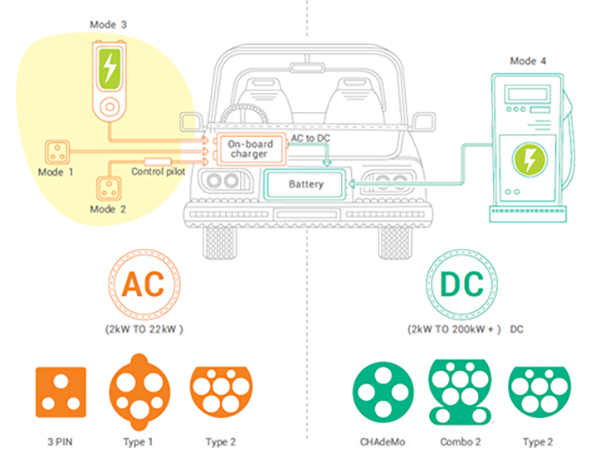
How EV Charging Actually Works: AC, DC, and Why It Matters for India

When you plug your EV in at home, you are not directly charging the battery. You are powering a converter inside the car. Understanding this one fact unlocks everything confusing about charging speeds, connector types, and why the Rs 25,000 home wallbox is one of the best upgrades an Indian EV owner can make.

11 Jun 2026·9 min read
Cell Chemistry

NMC vs LFP for Commercial EV Fleets: The Pack-Level Engineering Decision

Choosing between NMC and LFP for a commercial EV pack is not a chemistry decision — it is a system engineering decision. The cell that wins on the datasheet often loses in the field. Here is how to think about it correctly.

6 Jun 2026·14 min read
Solid-State Batteries — Manufacturing Scalability, Cost Modelling, and Why 2030 Timelines Are Engineering FictionCell Chemistry

Solid-State Batteries — Manufacturing Scalability, Cost Modelling, and Why 2030 Timelines Are Engineering Fiction

The electrochemistry of solid-state batteries is understood. The interface mechanisms are being characterised. The unresolved question — the one that determines whether solid-state becomes a mass-market technology or an expensive niche — is whether the manufacturing can be made to work at automotive scale and cost. The answer, based on current process yields, capex requirements, and learning curve projections, is not encouraging for 2030.

29 May 2026·22 min read
Solid-State Batteries — Dendrite Suppression, Chemo-Mechanical Coupling, and What the Electrochemistry Actually ShowsCell Chemistry

Solid-State Batteries — Dendrite Suppression, Chemo-Mechanical Coupling, and What the Electrochemistry Actually Shows

The dendrite problem in solid-state batteries is not the same as the dendrite problem in liquid electrolyte cells. It is governed by fracture mechanics, not electrochemical kinetics. Stack pressure is not just a contact requirement — it is an active participant in cell electrochemistry. And the interface resistance you measure today is not the interface resistance you will have at cycle 500.

29 May 2026·11 min read
Solid-State Batteries — The Ionic Conductivity Problem and Why the Interface Is EverythingCell Chemistry

Solid-State Batteries — The Ionic Conductivity Problem and Why the Interface Is Everything

The solid electrolyte is not just a safer swap for liquid. It changes the ion transport physics, introduces mechanical stress that liquid never had, and creates an interface problem that no liquid electrolyte battery engineer has ever had to solve. Understanding these mechanisms explains why solid-state has been 5 years away for 15 years.

29 May 2026·11 min read
Solid-State Batteries — No Liquid, No Fire, No Catch? Not QuiteCell Chemistry

Solid-State Batteries — No Liquid, No Fire, No Catch? Not Quite

Every few months a headline announces that solid-state batteries will change everything in 3 years. Toyota said it. Samsung said it. QuantumScape said it. The technology is real — but the gap between a lab cell and a car battery is wider than most headlines suggest. Here is what solid-state actually means, why it matters, and why your next EV almost certainly will not have one.

26 May 2026·10 min read
SOC Estimation Error Budgeting, EKF Implementation, and Why Indian BMS Firmware Gets It Wrongbms

SOC Estimation Error Budgeting, EKF Implementation, and Why Indian BMS Firmware Gets It Wrong

You know the failure modes. You understand the theory. This article is about the numbers — full error budget for an Indian-condition BMS deployment, complete EKF state equations with LFP hysteresis, dual estimation architecture, production firmware validation methodology, and the specific code-level decisions that determine whether your SOC estimator holds ±3% or drifts to ±12% after 200 cycles.

15 May 2026·18 min read
Coulomb Counting vs OCV Correction vs Kalman Filtering — BMS SOC Architecture Comparedbms

Coulomb Counting vs OCV Correction vs Kalman Filtering — BMS SOC Architecture Compared

Every production BMS uses some combination of three techniques to estimate SOC. The question is not which one to use — it is how to fuse them correctly, how to tune the estimator for Indian operating conditions, and why most implementations in the Indian market are using the right tools in the wrong way.

15 May 2026·13 min read
Coulomb Counting Drift — Why 0.5% Sensor Error Becomes 8% SOC Error After 200 Cyclesbms

Coulomb Counting Drift — Why 0.5% Sensor Error Becomes 8% SOC Error After 200 Cycles

The maths of coulomb counting looks clean on paper. Integrate current over time, divide by capacity, show percentage. But every real-world implementation fights four compounding error sources simultaneously — and most Indian BMS designs are losing that fight by the time the battery has 200 cycles on it.

14 May 2026·14 min read
Why Your EV's Battery Percentage Is Lying to Youbms

Why Your EV's Battery Percentage Is Lying to You

You charged to 80%, drove 40 km, and the battery shows 48%. The maths doesn't add up. Your EV isn't broken — it's just bad at counting. Here's why battery percentage is harder to measure than it sounds, and why Indian EVs get it wrong more often than they should.

14 May 2026·10 min read
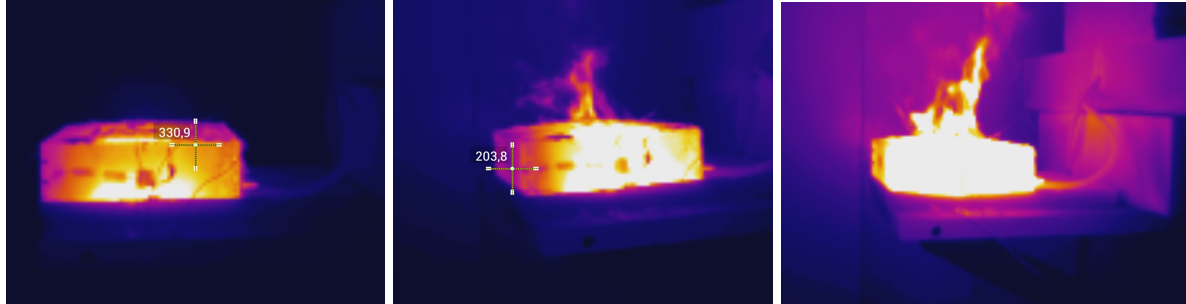
Thermal Runaway — Kinetics, ARC Testing, Propagation Modelling, and Pack CertificationThermal Management

Thermal Runaway — Kinetics, ARC Testing, Propagation Modelling, and Pack Certification

If you've already studied the five stages, the electrochemical mechanisms, and the chemistry gap between LFP and NMC — this is where it gets rigorous. ARC methodology, Arrhenius parameters, Frank-Kamenetskii criticality, CFD-based propagation simulation, AIS-156 Phase 2 compliance architecture, and field failure investigation frameworks.

6 May 2026·20 min read
Thermal Runaway — What Actually Happens Inside a Cell Before It Catches FireThermal Management

Thermal Runaway — What Actually Happens Inside a Cell Before It Catches Fire

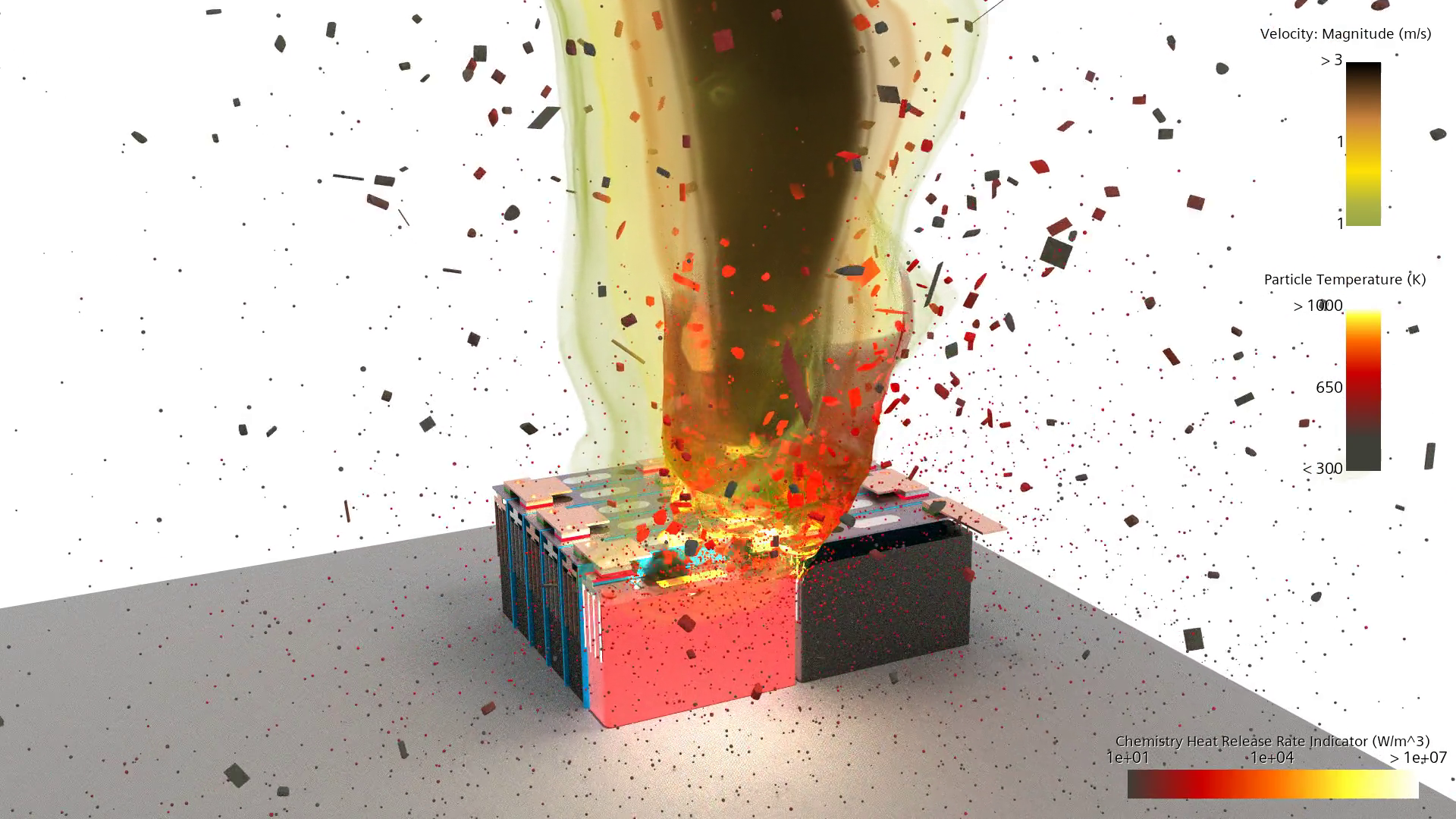
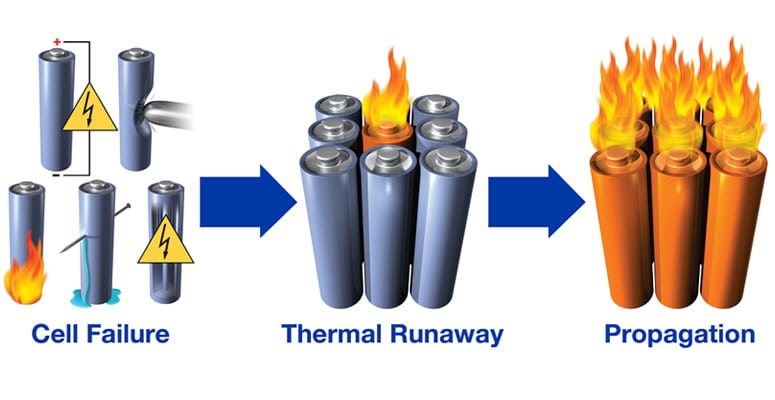
Thermal runaway is not a single event. It is a cascade of five distinct electrochemical stages, each with its own temperature window, gas signature, and intervention opportunity. By the time you see smoke, three of them are already over.

6 May 2026·13 min read
What Is Thermal Runaway? (And Why Your EV Won't Randomly Explode)Thermal Management

What Is Thermal Runaway? (And Why Your EV Won't Randomly Explode)

You've seen the viral videos. An EV on fire, thick black smoke, firefighters pouring water for hours. Terrifying. But what actually happened inside that battery — and how worried should you actually be? Let's break it down from scratch.

6 May 2026·9 min read
Thermal Runaway — The 5 Stages Your BMS Is Racing AgainstThermal Management

Thermal Runaway — The 5 Stages Your BMS Is Racing Against

Thermal runaway isn't a single event you can react to — it's a sequence of five escalating stages, each narrowing your intervention window. By Stage 3, the BMS can only watch. Here's the full picture, how to read the warning signs, and why chemistry choice matters more than most engineers admit.

5 May 2026·13 min read
Charging an EV Is Not Like Charging Your Phone — Here Is Whycharging-&-infrastructure

Charging an EV Is Not Like Charging Your Phone — Here Is Why

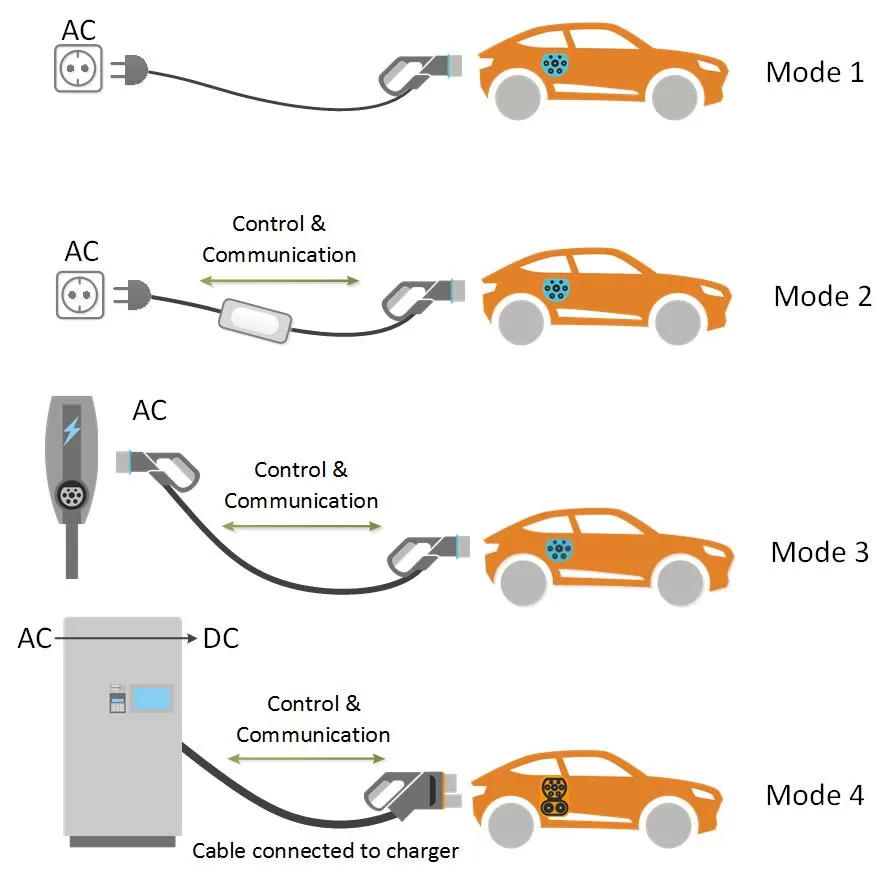
There are four completely different ways to charge an electric vehicle, and they work nothing like each other. Understanding the difference changes how you plan every long trip you ever take in an EV.

1 May 2026·9 min read
BMS Design Under Uncertainty — The Problems That Don't Have Clean AnswersPack & BMS Design

BMS Design Under Uncertainty — The Problems That Don't Have Clean Answers

Parameter uncertainty, electrode slippage, multi-chemistry state estimation, and the fundamental limits of model-based BMS design. For engineers who already know how it works and want to understand where it breaks at the architectural level.

29 Apr 2026·17 min read
Where BMS Implementations Actually BreakPack & BMS Design

Where BMS Implementations Actually Break

The block diagram is clean. The deployed system is not. Here are the specific failure modes, bad design decisions, and algorithm gaps that show up in real commercial BMS implementations — with the numbers to prove it.

29 Apr 2026·14 min read
How a BMS Knows What It Cannot SeePack & BMS Design

How a BMS Knows What It Cannot See

The BMS estimates state of charge without a single sensor that measures it directly. Here's how Coulomb counting, OCV lookup, and the Kalman filter work together — and where each one falls short.

29 Apr 2026·9 min read
Your EV Has a Brain. It's Called the BMS.Pack & BMS Design

Your EV Has a Brain. It's Called the BMS.

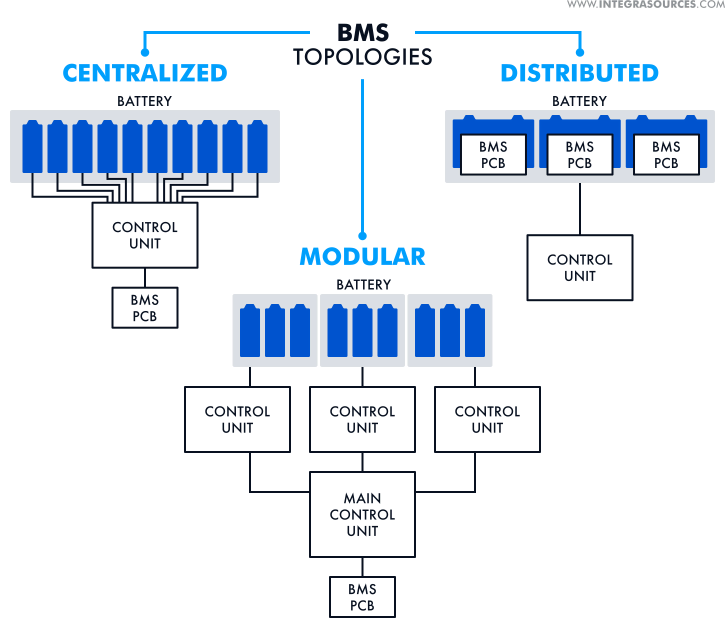
The Battery Management System is the most critical and least understood component in any electric vehicle. It monitors every cell, estimates how much energy remains, prevents dangerous failures, and manages charging — all simultaneously, all the time. Here is what it actually does and why it matters.

29 Apr 2026·9 min read
Why Your EV Shows 300 km at Night — But Only 190 km by MorningDeep Dives

Why Your EV Shows 300 km at Night — But Only 190 km by Morning

Your EV's range display was not wrong when it showed 300 km. It was also not wrong when it showed 190 km the next morning. Both numbers were accurate representations of different physical states. Understanding why reveals how temperature, vampire drain, OCV relaxation, and BMS algorithms interact to produce range estimates that vary by 30–40% overnight.

27 Apr 2026·11 min read
Heat Generation in Lithium-Ion Cells and Packs — Where the Energy Goes and Why It MattersDeep Dives

Heat Generation in Lithium-Ion Cells and Packs — Where the Energy Goes and Why It Matters

Every kilowatt-hour of energy that moves through a lithium-ion battery pack generates heat that must go somewhere. Understanding the physics of heat generation — Joule heating, entropic heat, contact resistance losses, and pack-level accumulation — determines whether your thermal management system is sized correctly or dangerously undersized.

17 Apr 2026·16 min read
Why India's Public EV Charging is Broken — and What Can Actually Fix ItPolicy Analysis

Why India's Public EV Charging is Broken — and What Can Actually Fix It

India has deployed thousands of public EV chargers. A significant fraction are offline, wrong connector standard, underrated for the vehicles that need them, or unavailable due to grid quality issues. This is not a resource problem — it is a system design problem with specific, fixable causes.

11 Apr 2026·12 min read
ISO 15118 Plug and Charge: Security and PKI BasicsStandards & Compliance

ISO 15118 Plug and Charge: Security and PKI Basics

ISO 15118 Plug and Charge eliminates the payment step at DC fast chargers — the EV authenticates and authorises charging automatically when the cable is connected. The security architecture that makes this work without creating a massive attack surface is more sophisticated than most EV engineers encounter in day-to-day work.

11 Apr 2026·7 min read
UL 2580 Abuse Test Matrix: What Teams MissStandards & Compliance

UL 2580 Abuse Test Matrix: What Teams Miss

A battery pack that passes electrical performance testing and thermal cycling can still fail catastrophically in a real-world abuse event. UL 2580 exists because performance testing is necessary but not sufficient — and abuse test results should drive design decisions, not just pass compliance checkboxes.

11 Apr 2026·7 min read
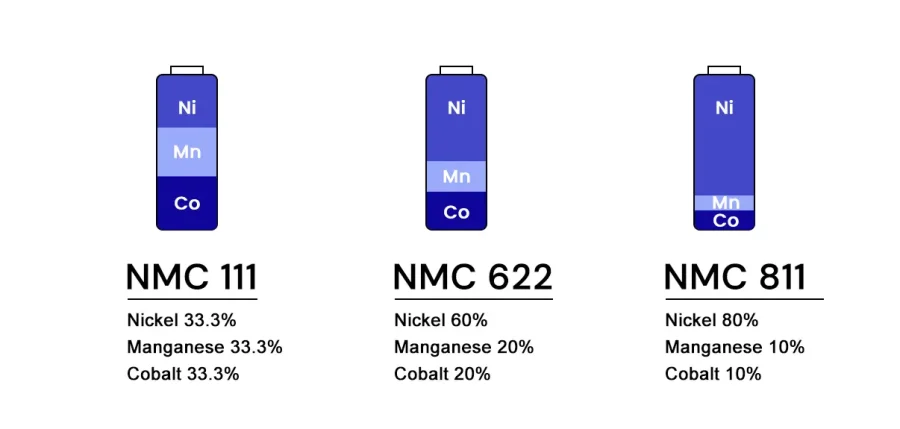
NMC 811 vs NMC 622 vs NMC 532 — What the Numbers Actually MeanCell Chemistry

NMC 811 vs NMC 622 vs NMC 532 — What the Numbers Actually Mean

The three numbers in NMC chemistry are a stoichiometric ratio that encodes the entire engineering trade-off between energy density, cycle life, thermal stability, and cost. Understanding what shifts when you move from NMC 532 to 622 to 811 explains why cathode selection is a system-level decision, not a cell-level one.

10 Apr 2026·10 min read
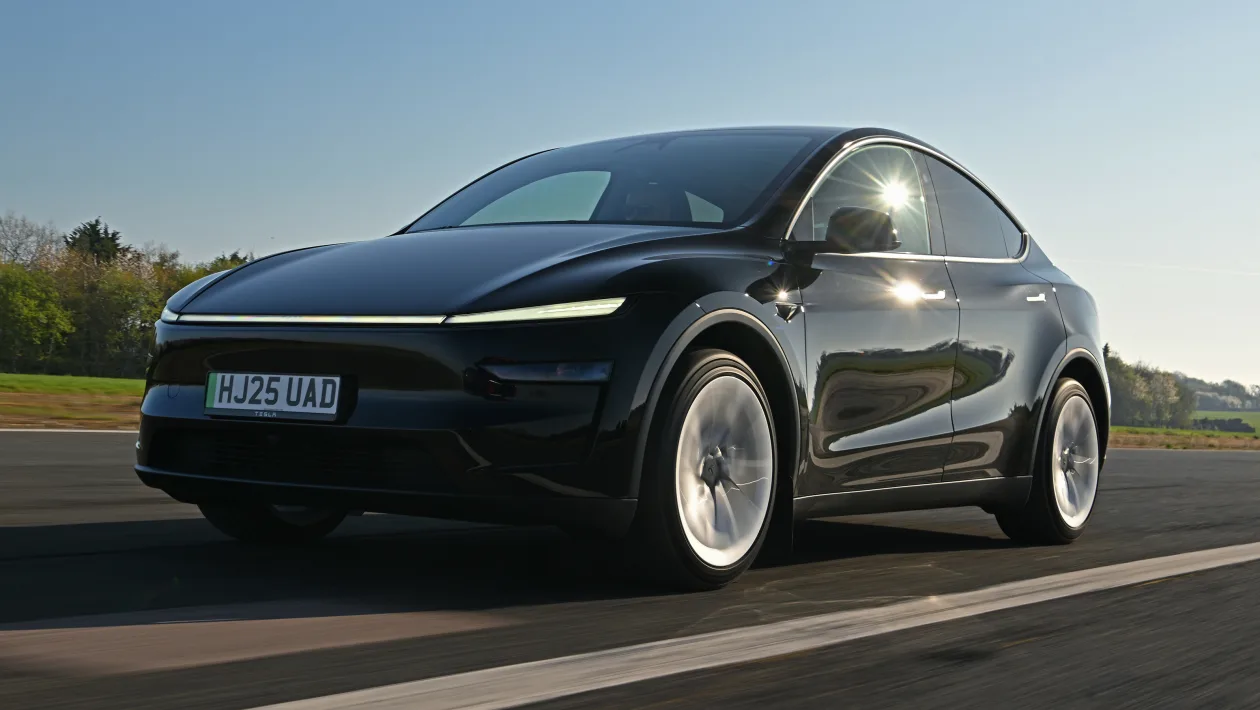
Model Y RWD Long-Term Efficiency ReviewVehicle Reviews

Model Y RWD Long-Term Efficiency Review

A year of measured numbers from a Model Y RWD — real-world consumption across conditions, LFP battery degradation data, Supercharger curve behaviour, and the efficiency variables that matter most across seasons and driving modes.

9 Apr 2026·9 min read
ISO 6469 for Electric Road Vehicle Safety SystemsStandards & Compliance

ISO 6469 for Electric Road Vehicle Safety Systems

ISO 6469 defines the safety framework for electric vehicle high-voltage systems — the orange cables, the isolation monitoring, the HVIL, and the discharge requirements that govern how EV high-voltage architectures must behave to protect occupants and first responders.

9 Apr 2026·7 min read
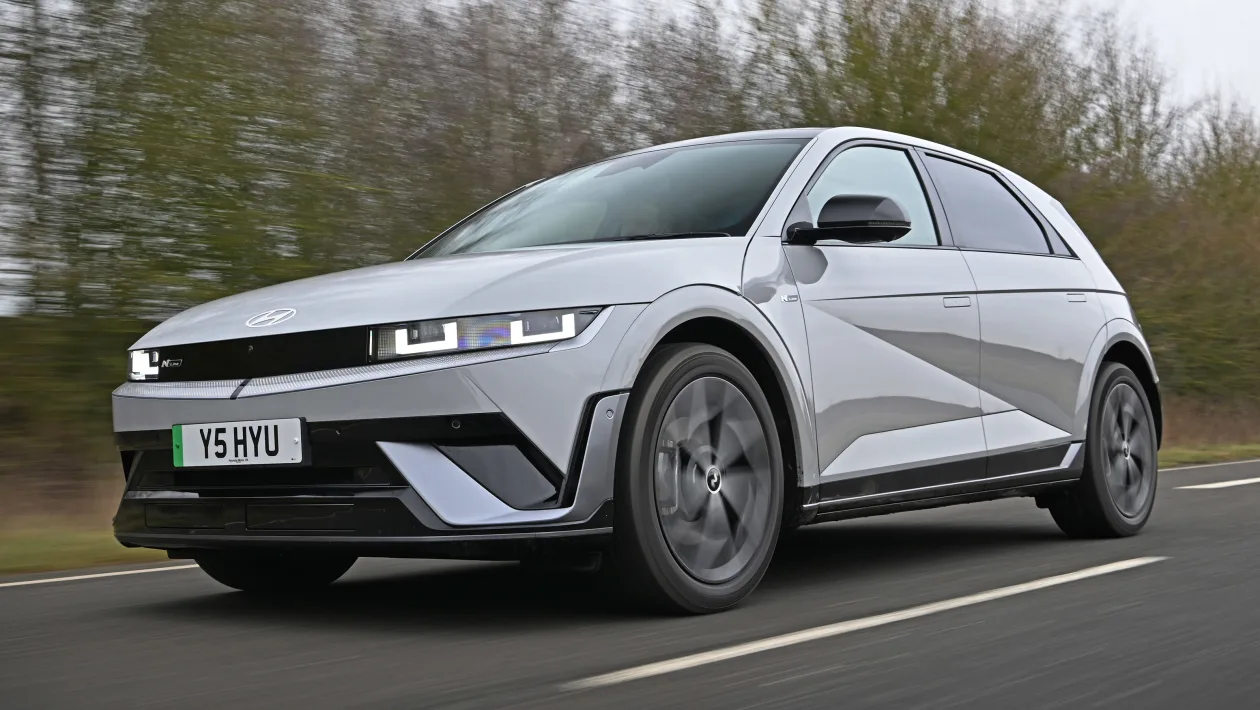
Ioniq 5 800 V Charging Behavior ReviewDeep Dives

Ioniq 5 800 V Charging Behavior Review

The Ioniq 5's 800V architecture enables 350 kW peak charging — but what does the charge curve actually look like in practice, how does the thermal management affect sustained high-rate charging, and what happens when you plug into a 400V charger instead of 800V?

8 Apr 2026·7 min read
IEC 61851 Charging Interface: Practical Implementation GuideStandards & Compliance

IEC 61851 Charging Interface: Practical Implementation Guide

IEC 61851 is the standard that every EV charging interface operates on — from a home wall socket to a 150 kW public charger. Understanding the control pilot signal, the state machine, and the safety interlocks tells you exactly what happens in the first 5 seconds after you plug in your EV.

8 Apr 2026·7 min read
F-150 Lightning Towing Range: The Honest NumbersVehicle Reviews

F-150 Lightning Towing Range: The Honest Numbers

The F-150 Lightning's advertised range of 483 km collapses to 130–190 km when towing at maximum rated capacity. Understanding why — aerodynamic loading, mass penalty, drivetrain efficiency, and regenerative braking effectiveness under tow — tells you what EV towing physics actually means.

8 Apr 2026·6 min read
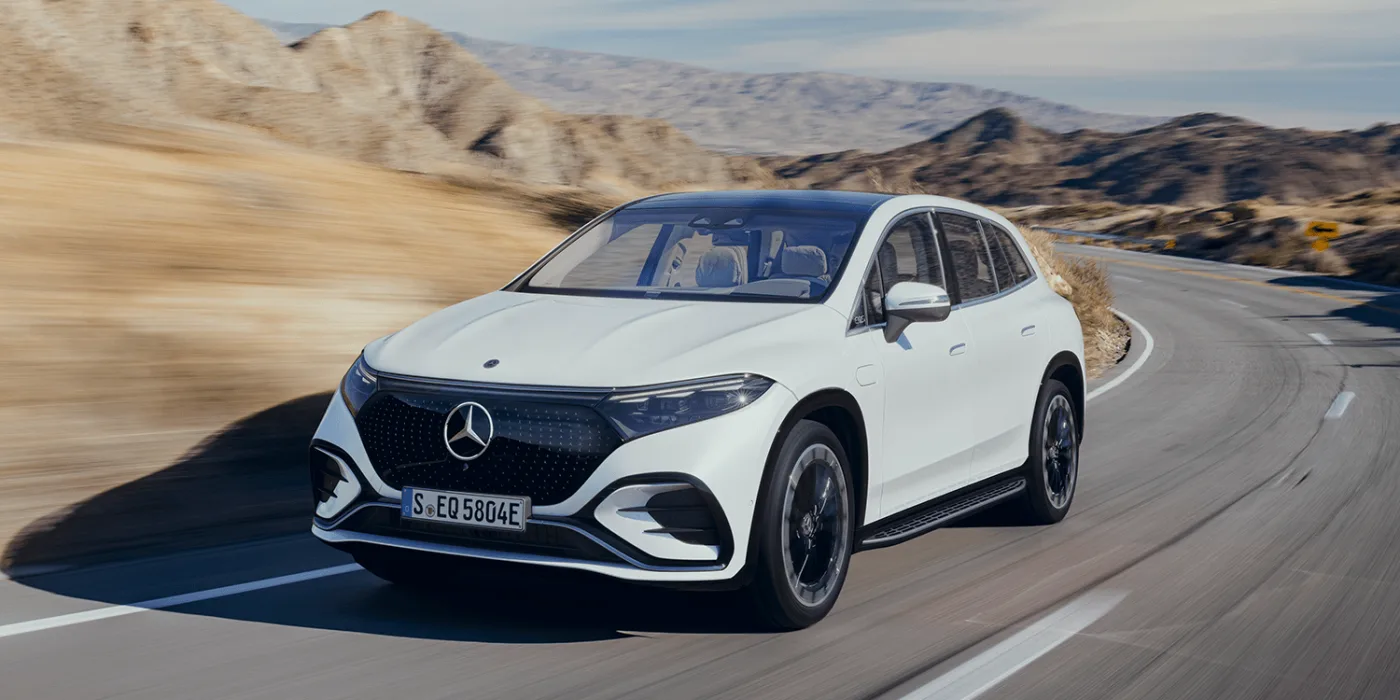
EQS SUV Consumption: Aerodynamics vs Mass ContributionEV Benchmarks

EQS SUV Consumption: Aerodynamics vs Mass Contribution

The Mercedes EQS SUV weighs 3,210 kg and achieves a Cd of 0.26 — an engineering paradox for a vehicle of its size. Quantifying how much aerodynamic investment compensates for mass penalty at different speeds tells you where the efficiency trade-off actually sits.

8 Apr 2026·7 min read
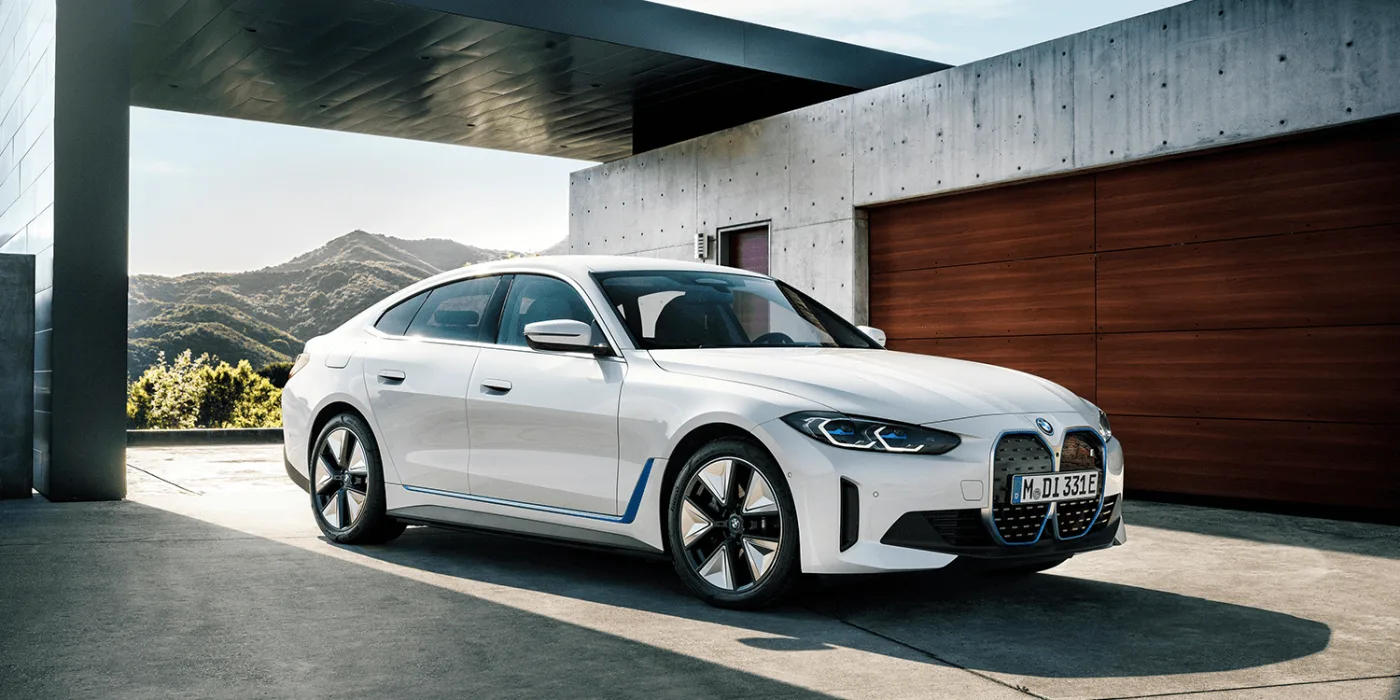
BMW i4 eDrive40: Range Consistency Under Temperature SwingsEV Benchmarks

BMW i4 eDrive40: Range Consistency Under Temperature Swings

The BMW i4 eDrive40 asks a more useful question than peak range: how consistently does it deliver its range across the temperature spectrum? Measured across summer and winter conditions, the NMC battery's thermal management strategy determines not just how far you can go but how reliably you can predict it.

8 Apr 2026·6 min read
AIS-156 — India's EV Battery Safety Standard ExplainedStandards & Compliance

AIS-156 — India's EV Battery Safety Standard Explained

AIS-156 is the Automotive Industry Standard that governs battery pack safety for electric vehicles sold in India. Understanding its phases, test requirements, and amendment history tells you exactly what an Indian EV battery pack must survive — and what happens when it does not.

8 Apr 2026·14 min read