CATEGORY

Standards

Technical posts under the Standards category.

Browse all blogs

Articles

AIS-156 — India's EV Battery Safety Standard Explained
standardsintermediate

AIS-156 — India's EV Battery Safety Standard Explained

AIS-156 is the Automotive Industry Standard that governs battery pack safety for electric vehicles sold in India. Understanding its phases, test requirements, and amendment history tells you exactly what an Indian EV battery pack must survive — and what happens when it does not.

IEC 61851 Charging Interface: Practical Implementation Guide
standardsintermediate

IEC 61851 Charging Interface: Practical Implementation Guide

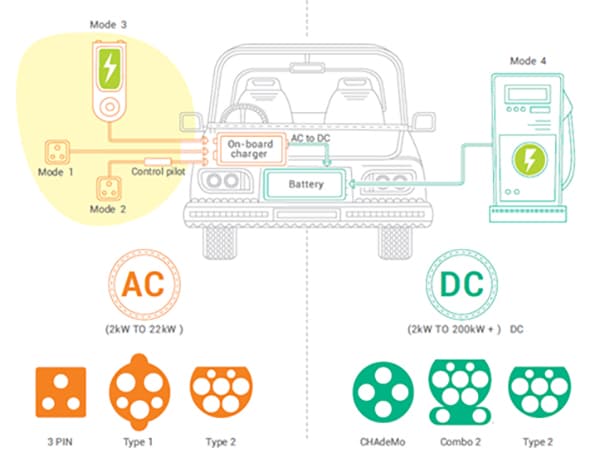
IEC 61851 is the standard that every EV charging interface operates on — from a home wall socket to a 150 kW public charger. Understanding the control pilot signal, the state machine, and the safety interlocks tells you exactly what happens in the first 5 seconds after you plug in your EV.

ISO 15118 Plug and Charge: Security and PKI Basics
standardsintermediate

ISO 15118 Plug and Charge: Security and PKI Basics

ISO 15118 Plug and Charge eliminates the payment step at DC fast chargers — the EV authenticates and authorises charging automatically when the cable is connected. The security architecture that makes this work without creating a massive attack surface is more sophisticated than most EV engineers encounter in day-to-day work.

ISO 6469 for Electric Road Vehicle Safety Systems
standardsintermediate

ISO 6469 for Electric Road Vehicle Safety Systems

ISO 6469 defines the safety framework for electric vehicle high-voltage systems — the orange cables, the isolation monitoring, the HVIL, and the discharge requirements that govern how EV high-voltage architectures must behave to protect occupants and first responders.

UL 2580 Abuse Test Matrix: What Teams Miss
standardsintermediate

UL 2580 Abuse Test Matrix: What Teams Miss

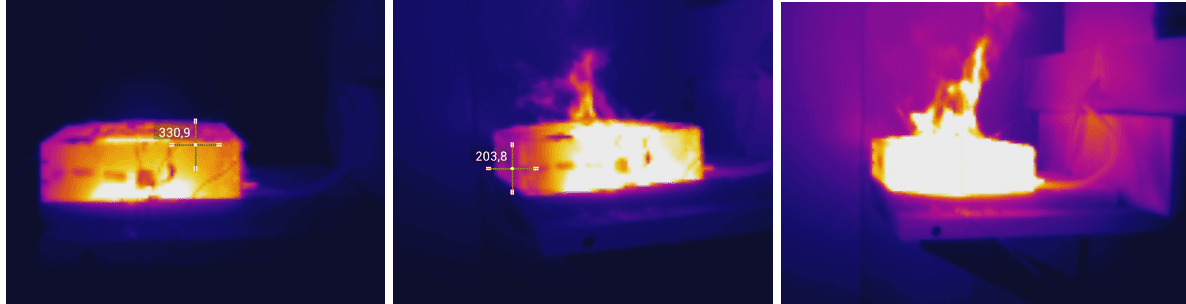
A battery pack that passes electrical performance testing and thermal cycling can still fail catastrophically in a real-world abuse event. UL 2580 exists because performance testing is necessary but not sufficient — and abuse test results should drive design decisions, not just pass compliance checkboxes.